
Skul: The Hero Slayer
PlaydigiousAction
4.7333.00 Reviews
- Version
- 1.0.13
- Installs
- 100.00K
- Age Rating
- Teen
Screenshots
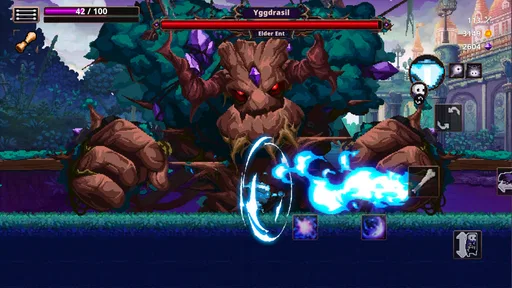
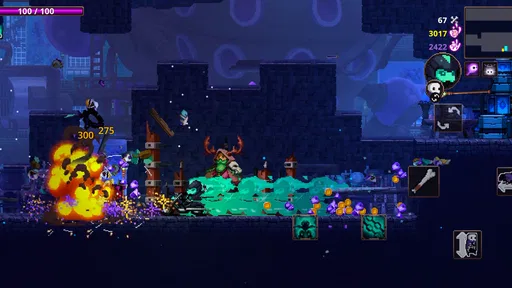
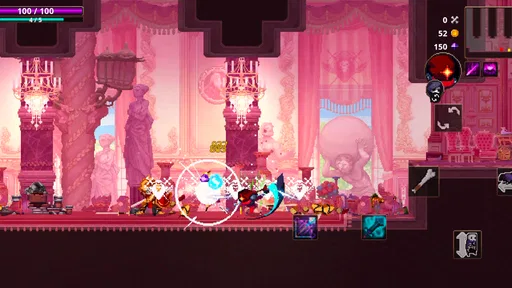
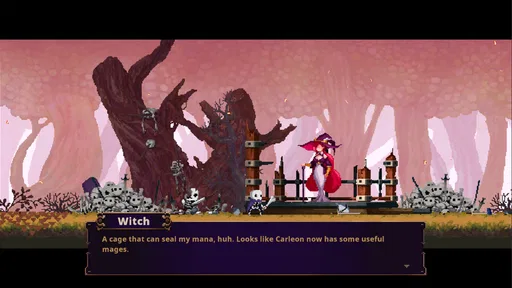
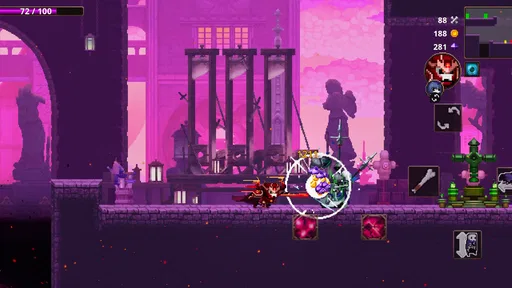
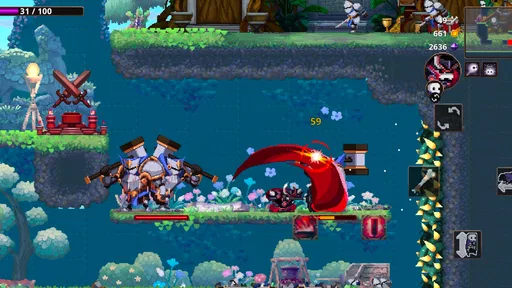
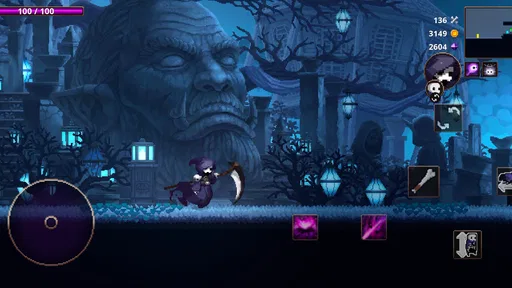

Our Review of Skul: The Hero Slayer
 Analysis by Appyee
When I decide whether to recommend a mobile action game, I look past the quick pitch and ask a few practical questions: does its main idea change how I play, does it feel good in short sessions, and is the challenge motivating rather than merely exhausting? Skul: The Hero Slayer makes a strong case on the first two, but its demanding run-based design will not suit everyone. I’d consider it if I enjoy learning through retries and adapting on the fly, not if I want a relaxed game that reliably lets me pause after a few easy wins.
A fresh angle on familiar action
The central hook is more than a cosmetic joke: Skul can swap heads to use different abilities, so changing the character’s head changes how I approach a fight. That gives each pickup a decision attached to it. I’m not simply collecting something because it looks powerful; I’m weighing its skills against the way I have been handling enemies and the kind of run I want to attempt. The fun comes from adjusting, rather than committing to one fixed combat style from the outset.
That flexibility also creates a useful learning loop. If a particular setup is not working, I can pay closer attention to how I’m using the available abilities and try a different combination on a later run. My practical tip is to treat early attempts as experiments: notice which heads make you more comfortable against groups and which help you deal with tougher opponents. A run that ends early can still teach you what to look for next time.
The action moves quickly, and enemy patterns give the fights a rhythm that rewards observation as well as aggression. When I rush in without reading an attack, the game pushes back; when I pay attention and choose my moment, combat feels much more controlled. That makes the difficulty feel earned, though it can also make a casual session frustrating if I’m tired or just hoping to switch off.
Who will get the most from it
I’d point this toward players who like action games with repeated attempts, changing builds, and bosses that ask them to learn rather than simply outlast an opponent. The unusual head-swapping mechanic is particularly appealing if I enjoy testing a new approach instead of repeating one dependable combo. Its pixel art, playful premise, and energetic soundtrack help give those attempts personality, so a failed run does not feel like a bare sequence of fights.
It is less suitable for someone who wants a gentle mobile time-killer, a story-first experience, or a game where progress comes without much resistance. The difficulty can demand patience, and a run may not deliver the tidy sense of completion I want from a short break. If I only have a few minutes between errands, I would choose a lighter action game; if I have a quiet evening and feel like concentrating, this is a far better fit.
A realistic way to use it is to settle in after dinner, start a run, and focus on one small lesson rather than expecting to clear a long stretch immediately. Perhaps I’ll pay attention to enemy timing, or try to make better use of a head I usually overlook. That approach makes a loss feel informative instead of wasted. It also helps me avoid turning every attempt into a test of whether I’m “good enough” at the game.
Getting Started with Skul
First things first, let’s talk about what Skul: The Hero Slayer is all about. You’re playing as Skul, a tiny skeleton with a big mission: save your demon friends from the clutches of the hero’s army. Yep, you heard that right! This time, you’re not playing the hero. It’s a refreshing change of pace and adds a fun twist to the typical good-vs-evil narrative.
The game is available on both Android and iOS, and boy, does it pack a punch. It's got that pixelated art style that we all secretly love, and the visuals look stunning on mobile screens. The controls are intuitive, making it easy for you to jump right into the action, but don’t be fooled—this game isn’t a walk in the park.
The Gameplay Experience
Now, let’s dive into the gameplay itself. Skul can swap heads to gain different abilities. Yes, you read that right—swap heads! Each head you pick up gives Skul unique powers and skills, which keeps things interesting as you navigate through procedurally generated levels.
Combat is fast-paced and keeps you on your toes. You'll face hordes of enemies, each with unique patterns and attacks. The variety keeps you engaged and constantly strategizing. Plus, the boss battles are epic! Seriously, these guys are tough, and defeating them feels incredibly rewarding.
Features That Stand Out
One of the standout features of this game is its replayability. Since the levels are procedurally generated, no two runs are the same. This keeps the game fresh every time you play, which is a big plus for me. Not to mention, the variety of heads and abilities means you can experiment with different playstyles.
The game also has a killer soundtrack. It perfectly complements the action on screen and adds to the overall immersive experience. I found myself bobbing my head to the beat while dodging attacks and swapping heads like a pro.
Reading the challenge, not just the action
Compared with the usual mobile action alternatives, this is much closer to a demanding roguelike than an endless stream of low-pressure stages. Its changing runs and head choices give me more reason to adapt than a straightforward hack-and-slash game built around repeating the same attack pattern. On the other hand, a more linear action game may be a better choice if I want predictable progression and a clear stopping point. The trade-off is variety versus consistency: Skul keeps me improvising, while a simpler alternative may be easier to dip into without a plan.
One small but useful habit is to pause mentally between encounters and ask what the current head is actually helping me do. It is easy to focus on a flashy ability and forget whether it suits the enemies I’m facing. I get more out of a run when I treat head changes as tactical choices, not automatic upgrades. That makes the mechanic feel deeper without requiring me to memorize a perfect route.
The procedural layout adds freshness, but it also means I should not expect every attempt to follow the same comfortable sequence. If I prefer to practice one exact section until I master it, this structure may feel less satisfying than a fixed-stage game. If I enjoy adapting to a slightly different situation each time, the variation is a genuine strength rather than a gimmick.
Mobile fit, price, and what to expect
Playdigious is the developer behind this mobile release, and the game is a paid download at $7.49. Its average rating is 4.7 from around 13 thousand ratings, with over 100 thousand installs. Those figures suggest it has found an audience, but I would make the purchase decision based on the play style: the price makes most sense to someone who expects to return for multiple runs, not someone who only wants a brief story to finish once.
The game is rated Teen, runs on Android 10 or later, and is at version 1.0.10. There are also in-app purchases listed at $0.49 per item. I would check the purchase screen carefully and decide what I’m comfortable buying rather than assuming every optional item is necessary. The base appeal for me is the action and the changing runs; I would not recommend buying anything extra just to solve a difficulty problem before I’ve tried learning the combat.
For mobile play, the key question is whether I can give the action my attention. It is playable in the sense that the controls are approachable, but quick decisions and enemy patterns make distracted play a poor match. I would choose a steady moment and keep the screen clear rather than attempting a serious run while multitasking. If I’m interrupted often, a more forgiving pick-up-and-put-down game will be less irritating.
Another point to consider before switching from a similar game is what you value in progression. Here, the appeal is not simply reaching the next scene; it is seeing how a different combination of abilities changes the way a run unfolds. If you prefer a stable character whose moves you can refine over time, that difference may feel like a drawback. If experimenting is part of the fun, it is the reason to stay.
Why You’ll Love It
If you’re someone who enjoys a challenge, Skul: The Hero Slayer delivers in spades. The difficulty ramps up as you progress, but it never feels unfair. It’s all about learning from your mistakes and improving your strategy. Trust me, the satisfaction you get from clearing a tough level is second to none.
Moreover, the game’s quirky storyline and charming characters add a layer of depth that keeps you invested. You’ll find yourself rooting for Skul and his demon buddies as they take on the so-called heroes.
Questions I’d settle before buying
Is it suitable for a newcomer to roguelikes? I think so if they are happy to learn by trying, but I would not call it an effortless introduction. The basic controls are easy to pick up, while the fighting asks for patience and attention. A first-time player should go in expecting to lose some runs and use them to understand the pace, rather than treating an early setback as a sign that the game is broken.
Is it better for quick sessions or longer play? I find it more rewarding when I can give a run enough focus to understand what is happening, even if I do not plan an extended session. A short attempt can be worthwhile, but interruptions make it harder to read attacks and make deliberate choices. For a commute or a waiting room, I’d only play if I can keep my attention on the screen.
Do I need to settle on one preferred head? I would not. The changing abilities are the point, and experimenting is a better way to discover what feels effective than insisting on one familiar option. Still, there is a trade-off: variety asks me to adapt, and that may be less appealing than a game where I steadily improve one fixed moveset.
Will it be the right alternative to every mobile action game? No. I would choose it over a repetitive, low-stakes brawler when I want a run to feel different, but I’d pick a calmer or more linear game when I want predictable progress, a relaxed pace, or less pressure to react. The best reason to choose it is not that it does everything; it is that its particular mix of head-swapping, enemy patterns, and retries holds my attention.
Final Thoughts
All in all, Skul: The Hero Slayer is a must-play for any rogue-like fan. Its unique mechanics, engaging combat, and charming story make it stand out in a crowded genre. Whether you’re a seasoned gamer or just looking for something new to try, this game is sure to keep you entertained for hours on end.
So, what are you waiting for? Go ahead and give it a shot—you won’t be disappointed. And remember, even the smallest skeleton can be a hero!
My recommendation is enthusiastic but specific: I’d buy it if I want a paid action game built around mastering difficult encounters and making new choices from run to run. I’d skip it if I need a reliably gentle experience or dislike starting over after a setback. For the right player, those retries are not a nuisance attached to the fun; they are where the game’s combat and changing abilities come together.
Verdict
Strengths of Skul: The Hero Slayer
- Engaging combat mechanics with variety.
- Unique pixel art style and animations.
- Diverse range of playable characters.
- Challenging yet rewarding gameplay loop.
- Smooth performance on most devices.
Limitations of Skul: The Hero Slayer
- Can be repetitive over time.
- Difficulty spikes may frustrate some.
- Limited save points during levels.
- Some character abilities feel unbalanced.
- Story lacks depth and complexity.
Other Releases by Playdigious
View All


Similar Picks in This Category
View All
Temple Run 2: Endless Escape
Imangi Studios4.1

PUBG MOBILE
Level Infinite4.3

Free Fire: 9th Anniversary
GARENA INTERNATIONAL I4.4

Talking Tom: Hero Dash Run
Outfit7 Limited4.3

slither.io
Lowtech Studios3.9

Sniper 3D:Gun Shooting Games
Wildlife Studios4.6
Frequently Asked Questions
What is the main objective of Skul: The Hero Slayer?
Skul: The Hero Slayer is a roguelike action-platformer where players take on the role of a small but mighty skeletal warrior named Skul. The main objective is to fight your way through various levels, battling heroes and bosses to save your demon king. Each run is unique, with randomized layouts and challenges.
How does the gameplay mechanics work in Skul: The Hero Slayer?
Skul: The Hero Slayer features fast-paced combat with the ability to swap between different skulls, each providing distinct abilities and play styles. Players must strategically choose which skulls to use and when to upgrade them, as this affects their combat capabilities. The game also includes permadeath, meaning each run is a fresh start, enhancing replayability.
What platforms is Skul: The Hero Slayer available on?
Skul: The Hero Slayer is available on various platforms, including PC, Nintendo Switch, PlayStation, and Xbox. It's important to check the game's official website or the platform-specific store for the latest availability and updates, as new platforms might be added over time.
Are there any in-app purchases in Skul: The Hero Slayer?
Skul: The Hero Slayer is a single-purchase game, meaning there are no in-app purchases required. Once you purchase the game, you have full access to all its features and content. This ensures a complete gaming experience without any additional costs or microtransactions.
Is Skul: The Hero Slayer suitable for all age groups?
Skul: The Hero Slayer features cartoon violence and may not be suitable for very young children. It's recommended for teenagers and adults due to its challenging gameplay and combat themes. Always check the game's rating on your platform to ensure it aligns with your comfort level and age appropriateness.
Play our best games!


